Introduction
What was voting rights act of 1965? It is one of the most important laws in American history. Passed during the Civil Rights Movement, the Voting Rights Act of 1965 was designed to eliminate barriers that prevented many African Americans and other minority groups from exercising their constitutional right to vote.
Before this law, millions of citizens faced unfair obstacles such as literacy tests, intimidation, and discriminatory local practices. The Act became a powerful tool for protecting voting rights and ensuring that democracy worked for everyone, not just a privileged few.
Think of democracy as a house. Voting is the front door. Before 1965, many Americans legally had the key but were blocked from reaching the door. The Voting Rights Act removed many of those barriers and opened the path to full participation in the democratic process.
1. What Was Voting Rights Act of 1965?
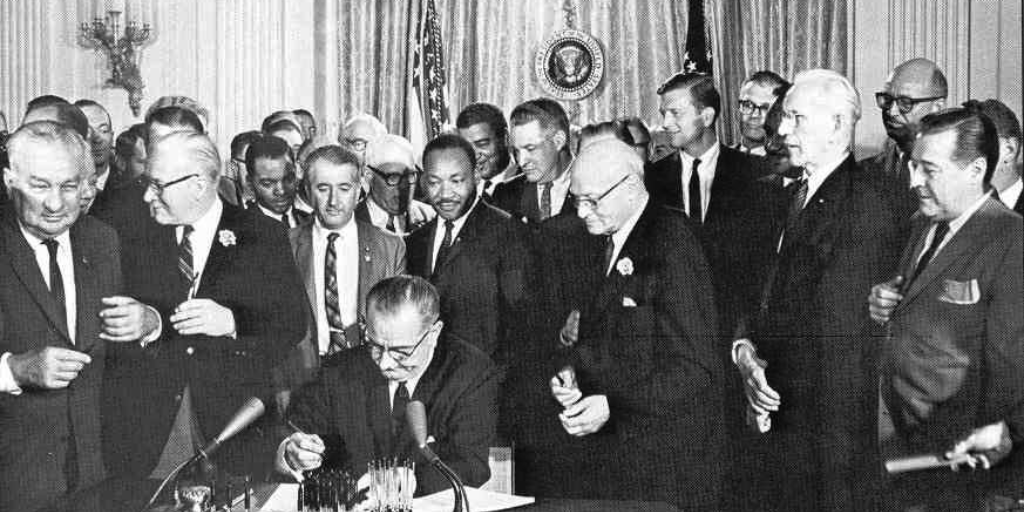
The Voting Rights Act of 1965 was a federal law signed on August 6, 1965, by President Lyndon B. Johnson. Its primary purpose was to prohibit racial discrimination in voting.
Although the 15th Amendment had granted African American men the right to vote in 1870, many states found ways to prevent them from participating in elections. The Voting Rights Act gave the federal government stronger authority to protect citizens from these discriminatory practices.
The law is widely regarded as one of the most successful civil rights laws ever enacted in the United States.
2. Historical Background of Voting Rights
Voting Rights After the Civil War
Following the Civil War, constitutional amendments were introduced to protect the rights of formerly enslaved people. The 15th Amendment stated that citizens could not be denied the right to vote based on race.
The Rise of Discriminatory Practices
Despite constitutional protections, many Southern states introduced measures to suppress minority voting. These included:
- Poll taxes
- Literacy tests
- Grandfather clauses
- Intimidation and threats
As a result, voter registration among African Americans remained extremely low in many areas.
3. Why Was the Act Necessary?
Widespread Voter Suppression
For decades, minority citizens faced systematic barriers when attempting to register or vote.
Unequal Access to Democracy
Democracy depends on equal participation. However, millions of Americans were excluded from the political process despite having legal voting rights.
The federal government recognized that constitutional guarantees alone were not enough. Strong enforcement mechanisms were needed to ensure fair access to the ballot box.
4. The Civil Rights Movement’s Role
A Movement for Equality
The Civil Rights Movement played a critical role in bringing voting rights issues to national attention.
Leaders, activists, students, and ordinary citizens organized campaigns demanding equal treatment under the law.
Key Figures
Several influential leaders helped advance voting rights, including:
- Martin Luther King Jr.
- John Lewis
- Rosa Parks
Their efforts helped expose discrimination and build public support for reform.
5. Events Leading to the Act
The Selma Voting Rights Campaign
One of the most important events was the voting rights campaign in Selma, Alabama.
Activists organized peaceful demonstrations to demand fair voter registration practices.
Bloody Sunday
On March 7, 1965, peaceful protesters attempting to march from Selma to Montgomery were attacked by law enforcement officers.
Television coverage of the violence shocked the nation and increased pressure on Congress to act.
The public outcry became a turning point in the fight for voting rights.
6. Key Provisions of the Voting Rights Act
Federal Protection of Voting Rights
The Act introduced several groundbreaking protections.
Major Provisions Included
Prohibition of discriminatory voting practices
States and local governments could no longer use voting procedures that discriminated based on race.
Federal oversight
The federal government gained authority to monitor elections in areas with histories of discrimination.
Protection of voter registration rights
Federal officials could intervene when local authorities attempted to prevent eligible citizens from registering.
These measures significantly strengthened enforcement of voting rights.
7. Literacy Tests and Other Barriers
What Were Literacy Tests?
Literacy tests required prospective voters to demonstrate reading or writing abilities.
In practice, these tests were often administered unfairly to minority citizens.
How the Act Addressed the Problem
The Voting Rights Act suspended literacy tests and similar discriminatory requirements in many jurisdictions.
This change immediately opened voting opportunities to countless citizens who had previously been excluded.
8. President Lyndon B. Johnson’s Contribution
Leadership During a Critical Moment
President Lyndon B. Johnson strongly supported voting rights legislation.
After the events in Selma, he urged Congress to take decisive action.
A Historic Speech
Johnson famously declared that voting rights were not merely a political issue but a moral one.
His leadership helped secure bipartisan support and contributed to the Act’s passage.
9. Immediate Impact of the Law
Increased Voter Registration
The results were dramatic.
Within a few years, voter registration among African Americans increased significantly throughout the South.
Greater Political Participation
More citizens gained the opportunity to:
- Register to vote
- Participate in elections
- Run for public office
- Influence public policy
The Act transformed political participation across many communities.
10. Long-Term Effects on American Democracy
Expanded Representation
As voter participation increased, elected bodies gradually became more representative of the population.
Strengthened Democratic Institutions
The law reinforced the principle that every eligible citizen deserves equal access to the ballot box.
Over time, it helped increase trust in democratic institutions and encouraged broader civic engagement.
A Lasting Legacy
Many historians consider the Voting Rights Act one of the defining achievements of the Civil Rights Era.
11. Amendments and Expansions
Strengthening the Original Law
Congress revisited and expanded the Voting Rights Act several times.
Important Amendments
1970 Amendments
Extended and strengthened protections.
1975 Amendments
Added protections for language minority groups, including citizens who faced language barriers.
1982 Amendments
Provided stronger safeguards against voting discrimination.
These updates ensured that the law remained relevant as society changed.
12. Challenges and Supreme Court Decisions
Legal Debates Over Federal Oversight
Over the years, some argued that portions of the Act were outdated.
Major Court Cases
One of the most significant developments occurred in 2013 when the U.S. Supreme Court invalidated a key formula used to determine which jurisdictions required federal oversight.
Supporters of the decision argued that conditions had improved since 1965.
Critics contended that important protections were weakened.
The debate over voting rights continues today.
13. Criticisms and Support
Arguments in Support
Supporters believe the Act:
- Protects democracy
- Prevents discrimination
- Encourages equal participation
- Ensures fair elections
Arguments from Critics
Some critics argue that certain provisions create excessive federal involvement in state election administration.
Others believe election laws should primarily be managed by states.
These differing viewpoints continue to shape discussions about voting policy.
14. Why the Voting Rights Act Still Matters Today
Ongoing Discussions About Voting Access
Questions about voting access remain important in modern America.
Issues such as voter identification requirements, election administration, and voting accessibility continue to generate debate.
A Foundation for Equal Participation
The Voting Rights Act established a national commitment to protecting the right to vote.
Its principles continue to influence discussions about election fairness and civic participation.
15. Lessons from the Voting Rights Act of 1965
Rights Require Protection
One major lesson is that legal rights often require active enforcement.
Citizen Participation Matters
The Act demonstrates how public activism can influence government policy and bring about meaningful change.
Democracy Is an Ongoing Process
Protecting voting rights is not a one-time achievement. It requires continued attention, public engagement, and commitment to fairness.
The history of the Voting Rights Act reminds us that democracy works best when everyone has an equal opportunity to participate.
Conclusion
So, what was voting rights act of 1965? It was a landmark federal law that transformed American democracy by eliminating many barriers that prevented minority citizens from voting. Born from decades of struggle and fueled by the Civil Rights Movement, the Act helped ensure that constitutional voting rights became a practical reality for millions of Americans.
Its impact can still be seen today through higher voter participation, broader political representation, and ongoing efforts to protect access to the ballot box. More than half a century later, the Voting Rights Act remains a powerful symbol of equality, civic engagement, and the continuing pursuit of a more inclusive democracy.
FAQs
1. What was voting rights act of 1965?
The Voting Rights Act of 1965 was a federal law that prohibited racial discrimination in voting and strengthened protections for eligible voters across the United States.
2. Why was the Voting Rights Act of 1965 passed?
It was passed to eliminate discriminatory practices such as literacy tests, poll taxes, and intimidation that prevented many minority citizens from voting.
3. Who signed the Voting Rights Act of 1965 into law?
President Lyndon B. Johnson signed the Act into law on August 6, 1965.
4. What impact did the Voting Rights Act have?
The Act dramatically increased voter registration and political participation among minority communities, especially in the Southern United States.
5. Is the Voting Rights Act of 1965 still in effect today?
Yes, many parts of the Act remain in effect, although some provisions have been modified or challenged through court decisions and legislative changes.