
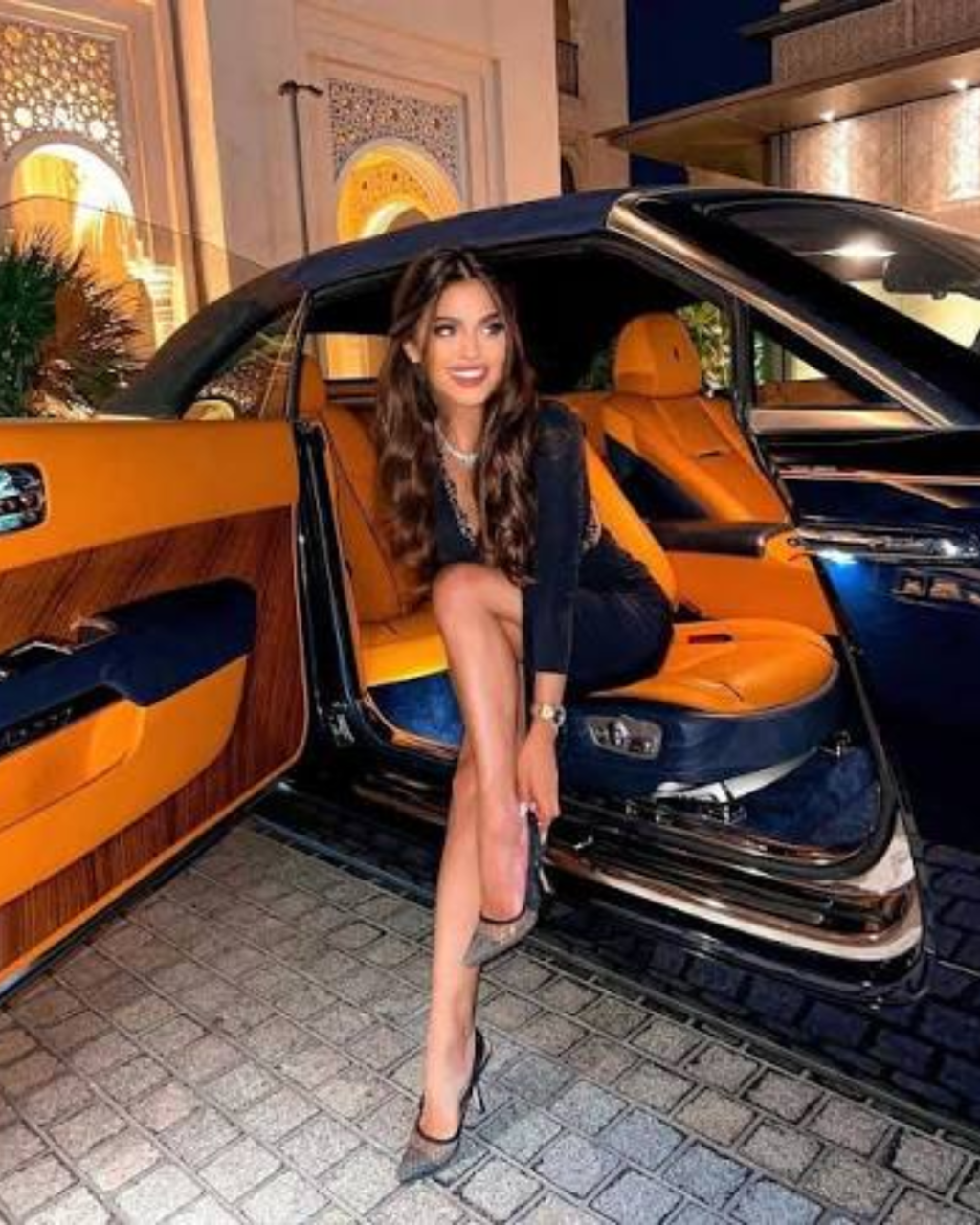
In today’s fast-moving world, many people believe that luxury is reserved for billionaires, celebrities, or those who travel by private jet. Social media constantly reinforces the idea that expensive cars, designer handbags, five-star vacations, and sprawling mansions define success. Unfortunately, this perception leaves millions feeling that happiness is always just beyond their financial reach.
The truth is far more empowering.
Life as a luxury is not simply about wealth. It is about living intentionally, appreciating quality over quantity, and creating experiences that enrich everyday life. While financial freedom certainly expands opportunities, genuine luxury often begins with perspective rather than possessions.
Whether you dream of upgrading your lifestyle or simply want to enjoy more meaning in your daily routine, understanding life as a luxury can completely transform how you define success.
If you’re interested in exploring more culture, lifestyle, and premium living ideas, visit Culture Mosaic, where you’ll find practical insights into modern luxury and global living.
Why So Many People Chase Luxury but Never Feel Satisfied
Modern marketing encourages consumers to buy more.
A newer phone.
A larger house.
A more expensive watch.
Yet research in behavioral economics consistently shows that material purchases alone produce only temporary increases in happiness. After the excitement fades, people quickly adapt—a phenomenon psychologists call hedonic adaptation.
This creates a cycle:
- Buy something expensive.
- Feel excited.
- Adapt.
- Want something even better.
The result is endless comparison rather than lasting satisfaction.
Many people confuse visible wealth with meaningful luxury.
Understanding Life as a Luxury
The modern definition of life as a luxury goes far beyond expensive products.
Instead, it combines:
- Freedom over busyness
- Quality over quantity
- Experiences over possessions
- Health over excess
- Authenticity over status
- Time over money
Luxury today increasingly reflects personal well-being rather than public display.
For one person, luxury may mean enjoying coffee on a peaceful morning.
For another, it could mean traveling the world.
Someone else may define luxury as having enough flexibility to spend evenings with family instead of answering emails.
If you’d like another thoughtful perspective on this philosophy, read life as a luxury.
The Evolution of Luxury
Luxury has changed dramatically throughout history.
Traditional Luxury
Historically, luxury represented scarcity.
Examples included:
- Gold jewelry
- Rare artwork
- Royal clothing
- Large estates
- Exotic foods
These items demonstrated wealth because very few people could obtain them.
Modern Luxury
Today’s luxury increasingly emphasizes:
- Wellness
- Sustainability
- Personalized experiences
- Privacy
- Exceptional craftsmanship
- Time freedom
- Emotional well-being
High-end consumers now value meaning as much as exclusivity.
Key Characteristics of Life as a Luxury
1. Time Becomes Your Greatest Asset
Many wealthy individuals describe free time—not expensive possessions—as their greatest luxury.
Being able to:
- Read without interruption
- Take spontaneous vacations
- Enjoy slow mornings
- Disconnect from work
often creates more happiness than owning additional material goods.
2. Exceptional Quality
Luxury focuses on buying fewer but better things.
Instead of replacing inexpensive items repeatedly, many luxury consumers invest in products designed to last for years.
Examples include:
- Handmade leather goods
- Tailored clothing
- Artisan furniture
- Premium cookware
Quality creates satisfaction beyond appearance.
3. Wellness as Luxury
Health has become one of the fastest-growing luxury markets.
Consumers increasingly invest in:
- Organic nutrition
- Fitness coaching
- Mental health
- Spa retreats
- Sleep optimization
- Preventive healthcare
Feeling energetic has become one of the most desirable forms of life as a luxury.
4. Authentic Experiences
Modern luxury often centers on unforgettable memories.
Examples include:
- Private culinary experiences
- Cultural immersion
- Boutique hotels
- Wildlife adventures
- Wine tastings
- Local artisan workshops
These experiences often create stronger emotional value than luxury products alone.
5. Emotional Peace
Perhaps the greatest luxury today is peace of mind.
Financial stability.
Healthy relationships.
Purposeful work.
Personal freedom.
These qualities consistently appear in happiness studies across cultures.
Cultural Influences on Luxury
Luxury varies dramatically across different societies.
Europe
European luxury often celebrates craftsmanship, heritage, and timeless elegance.
Italian fashion, Swiss watches, and French haute couture remain global benchmarks.
Japan
Japanese luxury emphasizes simplicity, precision, mindfulness, and perfection.
Minimalism itself has become luxurious.
Middle East
Luxury frequently reflects hospitality, architectural grandeur, and personalized service.
United States
American luxury often celebrates innovation, convenience, entrepreneurship, and customized experiences.
These cultural differences demonstrate that life as a luxury is deeply influenced by values rather than income alone.
Life of Luxury: Real or Fake?
One of Google’s most searched questions is:
Is life of luxury real or fake?
The answer depends on context.
If referring to social media influencers, appearances can sometimes be misleading. Many luxury lifestyles displayed online are carefully curated, sponsored, rented, or financed.
If referring to authentic luxury living, countless entrepreneurs, professionals, creatives, and families genuinely enjoy financially comfortable lifestyles built through years of disciplined work and strategic investing.
The important lesson is this:
Never compare your behind-the-scenes life with someone else’s highlight reel.
Luxury Life or Luxurious Life: Is There a Difference?
Another common search asks:
Luxury life or luxurious life?
Both expressions are grammatically acceptable.
However:
- Luxury life is more conversational.
- Luxurious life is slightly more formal and descriptive.
In everyday English, both refer to enjoying comfort, quality, elegance, and financial freedom.
How Life as a Luxury Shapes Consumer Behavior
Luxury consumers increasingly purchase with emotion rather than necessity.
Several psychological factors influence buying decisions.
Identity
People often purchase luxury brands because they reflect personal identity.
Consumers seek products aligned with their values.
Exclusivity
Limited editions create stronger demand.
Scarcity increases perceived value.
Storytelling
Luxury brands rarely sell products alone.
They sell:
- Heritage
- Craftsmanship
- Legacy
- Emotional connection
- Aspirational lifestyles
Strong storytelling makes products memorable.
Sustainability
Modern luxury consumers increasingly expect ethical sourcing, environmental responsibility, and transparency.
Sustainable luxury has become a competitive advantage.
Marketing Strategies Used by Luxury Brands
Successful luxury brands rarely compete on price.
Instead, they emphasize:
- Premium experiences
- Personalized service
- Limited availability
- Heritage
- Design excellence
- Emotional storytelling
- Community building
Whether selling fashion, hospitality, automobiles, or jewelry, these principles consistently strengthen brand loyalty.
Real Examples of Life as a Luxury
Many successful luxury companies illustrate these principles.
Examples include:
- A boutique hotel offering deeply personalized guest experiences instead of hundreds of standardized rooms.
- An artisan leather workshop producing handcrafted pieces with decades of durability.
- A wellness retreat focusing on restoration rather than entertainment.
- A fine dining restaurant sourcing seasonal ingredients from local farms.
Customers often describe these experiences as unforgettable because they combine quality with meaning.
This demonstrates why life as a luxury has evolved from owning expensive possessions to experiencing exceptional moments.
How Can You Create Life as a Luxury Without Being Wealthy?
Luxury begins with intentional choices.
You can start by:
- Protecting your time.
- Investing in experiences.
- Buying fewer, higher-quality products.
- Building financial stability.
- Prioritizing health.
- Creating beautiful daily routines.
- Learning continuously.
- Appreciating craftsmanship.
- Practicing gratitude.
- Avoiding unnecessary comparison.
For additional practical strategies, explore How Can I Live a Luxury Life.
Luxury Lifestyle Events That Inspire
Luxury is also experienced through exclusive gatherings that celebrate fashion, cuisine, travel, design, wellness, and innovation.
Popular luxury events often include:
- Fashion weeks
- Yacht shows
- Luxury travel expos
- Gourmet food festivals
- Art fairs
- Design exhibitions
Discover more inspiration through Luxury Lifestyle Events.
Social Proof: Why the Luxury Mindset Works
Across industries, premium brands consistently outperform because they focus on trust, quality, and customer experience instead of competing solely on price. Businesses such as renowned luxury hotels, premium automotive manufacturers, and heritage fashion houses have demonstrated that customers willingly pay more when they receive exceptional craftsmanship, personalized service, and lasting value. Likewise, many people who adopt the life as a luxury mindset report greater satisfaction by investing in meaningful experiences, wellness, and long-term quality rather than constant consumption.
Frequently Asked Question
1. What does life as a luxury mean?
Life as a luxury means living intentionally by prioritizing quality, well-being, meaningful experiences, personal freedom, and lasting value instead of measuring success only by expensive possessions.
2. Is life of luxury real or fake?
Both exist. Genuine luxury lifestyles are built through sustained effort and financial success, while some online portrayals may exaggerate or stage wealth for entertainment or marketing purposes.
3. What is the difference between luxury life and luxurious life?
The phrases are closely related. “Luxury life” is more conversational, while “luxurious life” is a more formal way to describe a lifestyle characterized by comfort, elegance, and premium experiences.
4. Can anyone experience life as a luxury?
Yes. Although wealth expands opportunities, many aspects of life as a luxury—such as protecting your time, improving your health, cultivating meaningful relationships, and appreciating quality—are available regardless of income.
5. Why do luxury brands focus so much on storytelling?
Storytelling creates emotional connections. Consumers remember authentic narratives about heritage, craftsmanship, innovation, and purpose far more than product specifications alone, making storytelling a cornerstone of successful luxury marketing.
Final Thoughts
The true meaning of life as a luxury is no longer defined solely by visible wealth or extravagant possessions. It reflects a conscious way of living that values time, health, craftsmanship, meaningful experiences, and personal fulfillment. As consumer preferences continue to evolve, luxury brands that embrace authenticity, sustainability, and emotional connection are best positioned to thrive. Whether you aspire to a more refined lifestyle or seek to understand premium markets, adopting the principles behind life as a luxury can help you make wiser choices, build deeper satisfaction, and appreciate that genuine luxury begins with how you live—not simply what you own.
