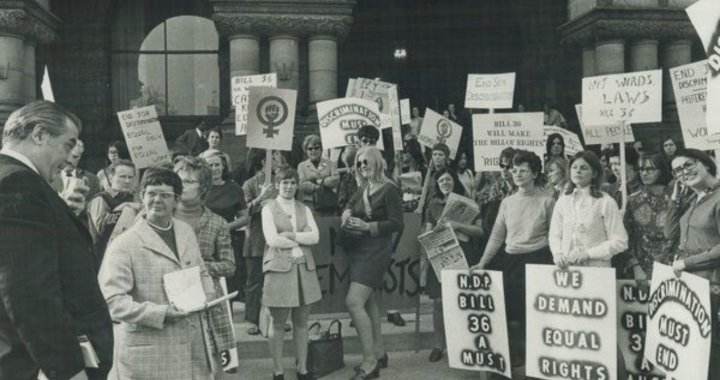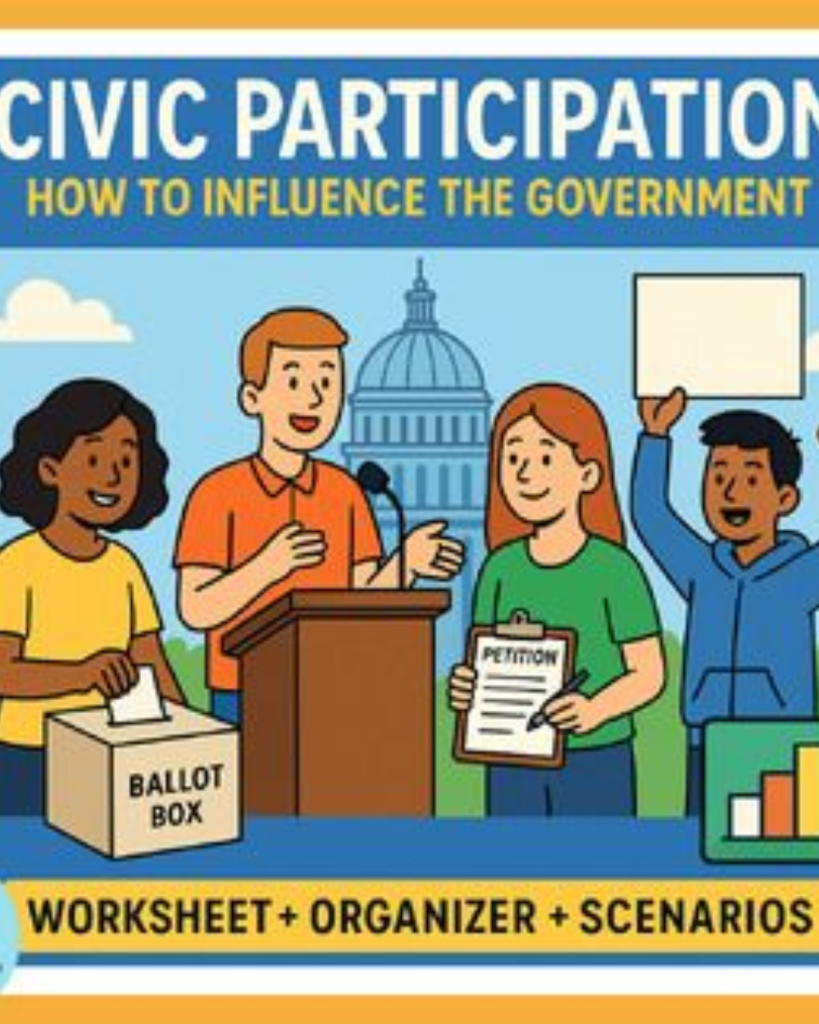
Have you ever wondered why some communities thrive while others struggle to solve common problems? The answer often lies in one powerful concept: civic participation. From voting in elections to attending local meetings, volunteering, or supporting community initiatives, civic participation gives ordinary people a voice in shaping the world around them.
Understanding What Is the Value of Civic Participation? is more important than ever in today’s interconnected society. When citizens actively engage in public life, communities become stronger, governments become more accountable, and social bonds grow deeper. Civic participation is not reserved for politicians or activists; it belongs to everyone.
Think of society as a garden. If only a few people water and care for it, many plants will wither. But when everyone contributes, even in small ways, the garden flourishes. Civic participation works much the same way. Each individual’s involvement helps nurture a healthier, more vibrant community.
In this article, we’ll explore the meaning, benefits, challenges, and lasting impact of civic participation, helping you understand why your voice truly matters.
Understanding Civic Participation
Civic participation refers to the actions people take to improve their communities and influence public decisions. These actions can be political, social, or community-focused. Voting, volunteering, joining neighborhood groups, participating in public discussions, and supporting local causes are all examples of civic participation.
At its core, civic participation is about taking responsibility for the shared spaces and institutions that affect our daily lives. It encourages citizens to move beyond passive observation and become active contributors to society.
Key Point: Civic participation empowers individuals to have a direct impact on community and societal outcomes.
Why Civic Participation Matters
The value of civic participation lies in its ability to connect citizens with the decisions that shape their lives. Without public involvement, important issues may go unaddressed, and community needs may be overlooked.
When people participate, they bring diverse experiences, perspectives, and ideas to the table. This diversity helps create better solutions and more inclusive policies.
Benefits include:
- Better representation of community interests
- Increased public trust
- Stronger social connections
- Improved quality of life
- Greater accountability from leaders
Communities where people actively participate often experience stronger social cohesion and more effective problem-solving.
The Connection Between Civic Participation and Democracy
Democracy depends on active citizens. While voting is one of the most visible forms of civic participation, democracy requires ongoing engagement beyond election day.
Citizens contribute to democracy when they:
- Stay informed about public issues
- Participate in public discussions
- Contact elected officials
- Attend community meetings
- Advocate for meaningful change
A healthy democracy functions best when people remain involved throughout the decision-making process.
Key Point: Civic participation transforms democracy from a system of government into a living, collaborative process.
Different Forms of Civic Participation
Many people mistakenly believe civic participation only involves politics. In reality, it takes many forms.
Political Participation
This includes voting, campaigning, attending town halls, and engaging with elected representatives.
Community Service
Volunteering at local organizations, helping neighbors, and supporting charitable causes strengthen communities.
Advocacy and Activism
Citizens often work together to raise awareness and promote solutions for important social issues.
Public Dialogue
Participating in community discussions and forums helps shape public opinion and encourages understanding.
Every form of participation contributes to the overall well-being of society.
Building Stronger Communities
One of the greatest values of civic participation is its ability to strengthen communities.
When residents work together toward common goals, they develop trust and mutual respect. This creates a sense of belonging and shared responsibility.
Communities with high levels of civic engagement often experience:
- Safer neighborhoods
- Better public services
- Increased volunteerism
- Stronger support networks
- Greater resilience during crises
These benefits demonstrate how individual actions collectively create meaningful community improvements.
Promoting Social Responsibility
Civic participation encourages people to think beyond their personal interests and consider the well-being of others.
When citizens engage in community activities, they gain a deeper understanding of social challenges and opportunities. This awareness often leads to greater empathy and compassion.
Social responsibility develops through:
- Helping vulnerable populations
- Supporting community projects
- Participating in environmental initiatives
- Advocating for fairness and equality
By promoting responsibility and cooperation, civic participation helps create a more caring society.
Encouraging Government Accountability
Governments perform better when citizens remain engaged and informed.
Active citizens monitor public decisions, ask questions, and hold leaders accountable for their actions. This oversight helps reduce corruption, improve transparency, and strengthen public trust.
Ways citizens promote accountability include:
- Attending public meetings
- Reviewing government policies
- Contacting elected officials
- Participating in public consultations
- Supporting investigative journalism
When leaders know citizens are paying attention, they are more likely to act responsibly.
Civic Participation and Personal Growth
While civic participation benefits communities, it also offers significant personal advantages.
People who engage in civic activities often develop valuable life skills such as leadership, communication, teamwork, and problem-solving.
Improved Confidence
Participating in discussions and community projects helps individuals gain confidence in their abilities.
Expanded Knowledge
Civic engagement exposes people to new ideas, perspectives, and information.
Leadership Development
Many civic activities provide opportunities to lead initiatives and inspire others.
Enhanced Relationships
Community involvement often leads to meaningful friendships and professional connections.
Personal growth is one of the often-overlooked rewards of civic participation.
Economic Benefits of Civic Engagement
Many people don’t immediately associate civic participation with economic growth, but the connection is significant.
Communities with strong civic engagement often attract investment, support local businesses, and foster economic stability.
Economic benefits include:
- Improved public infrastructure
- Increased community investment
- Better educational outcomes
- Enhanced workforce development
- Greater innovation and collaboration
When citizens participate in local planning and development efforts, communities become better positioned for long-term prosperity.
The Role of Technology in Civic Participation
Technology has transformed how people participate in civic life.
Digital platforms allow citizens to stay informed, connect with others, and engage with public issues more easily than ever before.
Online Petitions
People can support causes and raise awareness with just a few clicks.
Social Media Engagement
Platforms provide opportunities to discuss issues and mobilize communities.
Virtual Meetings
Residents can participate in local discussions without geographical limitations.
Access to Information
Government websites and digital resources make public information more accessible.
While technology creates new opportunities, it is important to verify information and engage responsibly online.
Common Barriers to Participation
Despite its benefits, many people face obstacles that limit civic engagement.
Lack of Time
Busy schedules often make participation difficult.
Limited Awareness
Some individuals are unaware of opportunities to get involved.
Distrust of Institutions
Negative experiences may discourage participation.
Economic Challenges
Financial pressures can reduce available time and resources.
Feeling Powerless
Some people believe their actions won’t make a difference.
Addressing these barriers is essential for creating more inclusive and representative civic participation.
How Young People Can Get Involved
Young people play a vital role in shaping the future of society.
Civic participation among youth fosters leadership, responsibility, and community awareness from an early age.
Ways young people can participate include:
- Volunteering in local organizations
- Joining student councils
- Participating in community projects
- Advocating for issues they care about
- Staying informed about public affairs
Youth engagement ensures that future generations have the skills and experience needed to contribute effectively to society.
Practical Ways to Participate Today
Many people want to get involved but aren’t sure where to start.
The good news is that civic participation doesn’t require a huge commitment. Small actions can have meaningful impacts.
Volunteer Locally
Support schools, shelters, community centers, or environmental initiatives.
Attend Community Meetings
Learn about local issues and share your perspective.
Vote Regularly
Participate in local, regional, and national elections.
Support Community Projects
Contribute your time, skills, or resources.
Stay Informed
Read reliable news sources and understand issues affecting your community.
Remember, civic participation is a journey, not a single event.
The Long-Term Impact on Society
The effects of civic participation extend far beyond immediate results.
Over time, engaged citizens help create stronger institutions, healthier communities, and more responsive governments.
Long-term benefits include:
- Increased social trust
- Greater political stability
- Improved public services
- Stronger democratic institutions
- Enhanced quality of life
These outcomes contribute to sustainable development and societal progress.
Creating a Culture of Engagement
A culture of engagement develops when civic participation becomes a normal part of everyday life.
Communities can encourage participation by:
- Promoting civic education
- Supporting volunteer opportunities
- Creating inclusive public spaces
- Encouraging respectful dialogue
- Recognizing community contributions
When participation becomes a shared value, communities are better equipped to address challenges and seize opportunities.
Key Point: Civic participation thrives when everyone feels welcome, respected, and empowered to contribute.
Conclusion
So, What Is the Value of Civic Participation? The answer goes far beyond voting or attending meetings. Civic participation strengthens democracy, builds stronger communities, promotes accountability, encourages personal growth, and supports economic development. It empowers individuals to shape the future while fostering cooperation and shared responsibility.
Every action, no matter how small, contributes to the larger picture. Whether you volunteer, vote, advocate for change, or simply stay informed, your participation matters. Like individual threads woven into a tapestry, each person’s contribution helps create a stronger, more connected society. By embracing civic participation, we not only improve our communities but also strengthen the foundations of democracy for future generations.
FAQs
1. What is civic participation in simple terms?
Civic participation is the involvement of citizens in activities that improve their communities and influence public decisions, such as voting, volunteering, and community engagement.
2. Why is civic participation important in a democracy?
It ensures that citizens have a voice in decision-making, promotes accountability, and helps create policies that reflect public needs and interests.
3. What are examples of civic participation?
Examples include voting, volunteering, attending public meetings, participating in community projects, advocating for causes, and engaging in public discussions.
4. How does civic participation benefit individuals?
It helps people develop leadership skills, build confidence, gain knowledge, expand networks, and contribute positively to society.
5. How can someone start participating in civic activities?
You can begin by volunteering locally, attending community meetings, staying informed about public issues, supporting local initiatives, and voting in elections.