
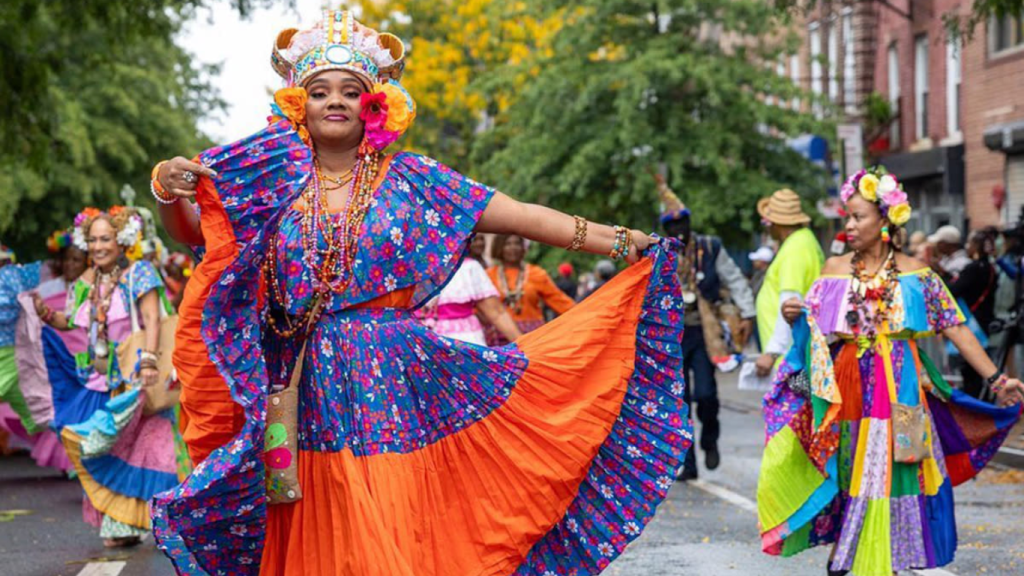
A Latino cultural festival United States event is more than a public gathering. It is a living celebration of music, food, dance, language, and identity that brings people together in a shared space of pride and joy. For many families, it is also a rare chance to see their culture honored openly, beautifully, and with respect.
The need for these festivals is real. In busy modern life, cultural traditions can get pushed aside, misunderstood, or reduced to stereotypes. That creates a quiet pain for communities that want visibility, inclusion, and recognition. A well-planned Latino cultural event solves that problem by turning heritage into an experience people can feel, taste, hear, and remember.
Why Latino cultural festivals matter
A strong Latino festival USA experience creates connection across generations. Grandparents may come for the music and food they grew up with, parents may come for community and pride, and children may discover traditions they will carry forward. That is one reason these festivals matter so much: they do not just entertain, they preserve memory.
These events also strengthen local communities. They support artists, food vendors, dancers, musicians, small businesses, and nonprofit organizations. They create economic activity while building cultural trust. When people attend a festival like this, they are not only buying a ticket or visiting a park; they are helping sustain a community story.
What visitors usually experience
A Latino cultural festival United States celebration often includes live music, folklórico dance, salsa performances, mariachi, reggaeton, artisan booths, and traditional food. Some festivals are highly family-oriented, while others lean into nightlife energy, but the best ones balance both joy and authenticity. They invite people to participate rather than just observe.
Food is often one of the strongest attractions. Tacos, empanadas, pupusas, tamales, arroz con pollo, sweet breads, and regional drinks help create a sensory experience that stays with guests long after the event ends. Music and dance add another layer, turning the festival into a cultural expression rather than just a weekend attraction.
The emotional power behind the event
Behind every Latino cultural event is a deeper human story. Many attendees are looking for belonging. Some want to reconnect with their roots. Others want their children to experience the culture in a joyful, public way. This emotional layer is what makes the festival powerful and memorable.
That is why the best festivals feel warm, welcoming, and alive. They do not feel stiff or overly commercial. They feel like a community gathering where people are seen and valued. When the atmosphere is right, attendees often leave feeling proud, uplifted, and eager to return next year.
Planning a successful festival
If you are developing a Latino cultural festival United States event, planning must begin with authenticity. Work with local Latino leaders, artists, youth groups, cultural organizations, and community vendors from the start. This makes the event feel genuine and ensures the programming reflects real traditions rather than surface-level ideas.
Location matters too. Parks, plazas, downtown districts, fairgrounds, and cultural centers can all work well depending on the size and style of the festival. The venue should be accessible, family-friendly, and easy to navigate. Good parking, public transit access, restrooms, shade, and vendor space all make a major difference in the visitor experience.
Programming should be diverse and inclusive. A good festival may include:
- Live music and dance performances.
- Regional food stalls and tasting areas.
- Children’s activities and cultural workshops.
- Artisan markets and handmade crafts.
- Community booths for health, education, and social services.
- Parade elements, storytelling, or heritage exhibits.
This variety keeps people engaged and encourages them to stay longer. It also gives sponsors and partners meaningful ways to contribute.
Marketing strategies that work
To promote a Latino festival USA event effectively, start with community-first marketing. Social media, local newspapers, radio stations, schools, churches, chambers of commerce, and neighborhood groups all play an important role. Spanish-language and bilingual promotion is especially important because it helps the message reach more of the audience naturally.
Use visuals that show real people enjoying the festival. Families laughing, dancers performing, food being prepared, and musicians on stage create trust and emotional interest. People are more likely to attend when they can imagine themselves inside the experience. This is where storytelling becomes just as important as advertising.
Search visibility also matters. A page optimized around the focus keyword Latino cultural festival United States can help the event appear in Google searches when people are looking for festivals, cultural activities, or family events nearby. Clear event details, date information, location, ticketing, FAQs, and images all support that goal.
Building trust through partnerships
Partnerships make the festival stronger and more credible. Local Latino businesses can sponsor food or vendor spaces. Schools and universities can support cultural programming. Nonprofits can offer community resources. Media partners can help spread awareness. Arts organizations can bring in performers and educators.
When community members see respected organizations involved, they trust the event more. This matters because people often decide to attend based on whether they feel the festival is authentic and well-managed. Strong partnerships also help the festival grow year after year.
Why people keep coming back
The most successful Latino cultural festival United States events become annual traditions. People return because they feel something meaningful there. They remember the music, the flavors, the colors, and the sense of togetherness. They remember that the event made them feel proud of where they come from.
That is what creates loyalty. Not hype alone, but a genuine experience. When a festival delivers on culture, hospitality, and community value, people recommend it to friends, post about it online, and plan ahead for the next one. Word of mouth becomes one of the strongest forms of promotion.
Final thoughts
A Latino cultural festival United States celebration is not just an event; it is a bridge between generations, cultures, and communities. It gives people a place to belong and a reason to celebrate openly. It also offers organizers a powerful opportunity to create something that is both meaningful and memorable.
If you are attending one, enjoy the food, dance, and stories. If you are planning one, focus on authenticity, accessibility, and community involvement. That is how a festival becomes more than a date on the calendar. It becomes a cultural moment people carry with them.
FAQs
What is a Latino cultural festival United States event?
It is a celebration of Latino heritage in the United States that often includes music, dance, food, art, family activities, and cultural education. These festivals help preserve traditions while bringing communities together.
Why are Latino cultural festivals important?
They preserve cultural identity, support local artists and vendors, and create a welcoming space where families can celebrate heritage with pride. They also help the wider public learn more about Latino traditions.
What can visitors expect at a Latino festival USA event?
Visitors can usually expect live performances, traditional food, artisan markets, cultural exhibits, and activities for all ages. Some festivals may also include parades, workshops, and nonprofit booths.
How can organizers make a Latino cultural event authentic?
They should involve Latino community leaders, performers, vendors, and cultural organizations from the beginning. Authenticity grows when the event reflects real voices, traditions, and local participation.
How do I promote a Latino cultural festival United States event online?
Use bilingual content, strong visuals, local partnerships, community calendars, and search-optimized event pages. Clear details and emotionally engaging storytelling help increase awareness and attendance.
