Modern Irish Wedding Traditions: The Use of Bells
Although many couples choose contemporary wedding styles, Irish wedding traditions bells continue to inspire meaningful moments during modern ceremonies. Rather than following strict rules, today’s couples often personalize the tradition while preserving its heartfelt symbolism.
Here are some of the most popular ways wedding bells are incorporated into Irish-inspired celebrations:
Ringing Bells After the Ceremony
Just as church bells once announced a marriage to the entire village, many churches in Ireland still ring their bells as the newlyweds leave the ceremony. The joyful sound symbolizes the beginning of married life and shares the happy news with the surrounding community.
Giving Wedding Bell Favors
Small bell-shaped favors have become a popular keepsake. Guests may receive engraved bells featuring the couple’s names and wedding date. These mementos serve as a lasting reminder of the celebration while honoring the history behind Irish wedding traditions bells.
The “Kiss Bell” Tradition
At many receptions, each table is given a small bell. Whenever guests ring their bell, the bride and groom share a kiss. This lighthearted custom keeps everyone engaged throughout the evening while reinforcing the joyful spirit that wedding bells represent.
Anniversary Bell Ritual
Some couples preserve their wedding bell and ring it on each anniversary. The simple act reminds them of the vows they exchanged and encourages them to renew their commitment year after year.
The Symbolism of Bells in Irish Folklore
To fully appreciate Irish wedding traditions bells, it helps to understand the importance of bells within Irish folklore.
Throughout Ireland’s rich storytelling tradition, bells were believed to possess remarkable symbolic power. They represented:
- Protection from evil influences
- Peace within the home
- Spiritual guidance
- Hope during difficult times
- Joy shared with family and friends
Although these beliefs evolved over centuries, they reflect the deep respect Irish communities held for meaningful symbols that connected everyday life with faith, family, and tradition.
Rather than being viewed as magical objects, bells became reminders of optimism, unity, and resilience.
Wedding Bells and the Irish Claddagh Connection
Many couples combine Irish wedding traditions bells with another beloved Irish symbol—the Claddagh ring.
The Claddagh features three meaningful elements:
- Hands representing friendship
- A heart representing love
- A crown representing loyalty
Together, the Claddagh ring and wedding bells beautifully complement one another. While the ring symbolizes the couple’s lifelong commitment, the bell celebrates the joyful beginning of that journey.
This combination creates a wedding that honors Irish heritage in both symbolism and ceremony.
How Irish Wedding Traditions Bells Compare with Other Celtic Customs
Wedding bells are just one part of Ireland’s rich marriage traditions. Many couples choose to combine several customs into one meaningful celebration.
Popular Irish wedding traditions include:
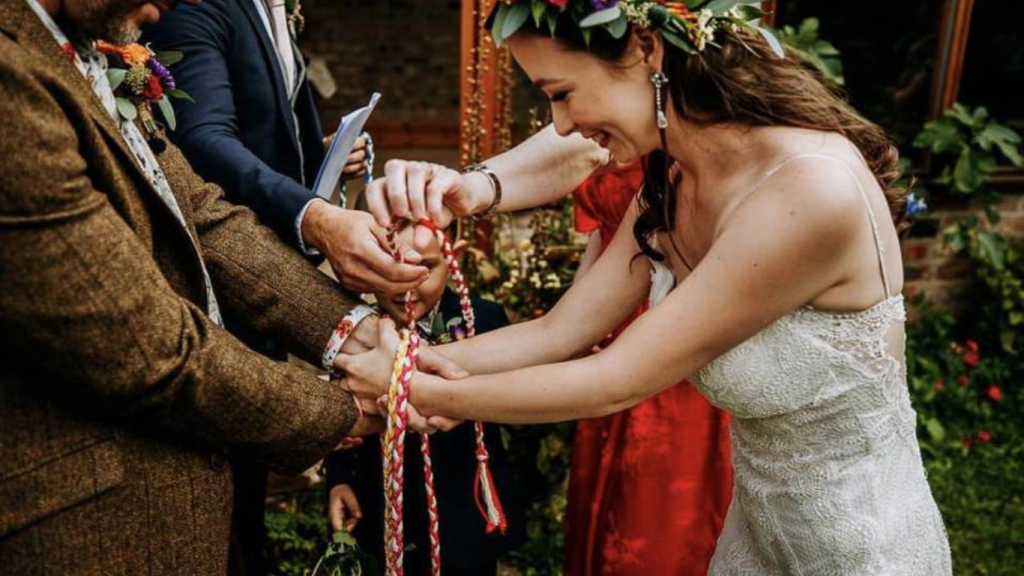
Handfasting
The couple’s hands are gently tied together using ribbons or cords to symbolize the joining of two lives. The expression “tying the knot” is believed to have originated from this ancient Celtic practice.
Irish Wedding Blessings
Traditional blessings ask for love, laughter, good health, friendship, and God’s protection throughout married life.
Horseshoes
An upright horseshoe is often gifted to the bride to symbolize good fortune and prosperity.
Irish Lace
Many brides incorporate handmade Irish lace into their dress or veil as a tribute to family heritage and craftsmanship.
When combined with Irish wedding traditions bells, these customs create a ceremony rich in history and heartfelt meaning.
To learn more about these beautiful customs, explore Irish Wedding Traditions.
For additional historical insights into Irish wedding traditions bells, you can also visit Irish wedding traditions bells.
Did Every Irish Wedding Include Bells?
Not necessarily.
One common misconception is that every traditional Irish wedding featured elaborate bell ceremonies. In reality, customs varied depending on the family’s location, religious practices, local traditions, and financial circumstances.
In rural villages, church bells often played the central role.
In smaller family gatherings, the symbolism of bells might have been represented through blessings, songs, or simple keepsakes rather than formal bell-ringing ceremonies.
This regional flexibility is one reason Irish wedding traditions bells remain relevant today. Couples can adapt the tradition while respecting its original meaning.
Why This Tradition Still Matters
In today’s fast-paced world, weddings can sometimes become focused on decorations, photography, and elaborate venues.
The beauty of Irish wedding traditions bells lies in their simplicity.
A single bell reminds everyone that marriage is built on communication, harmony, forgiveness, and shared joy—not perfection.
Each gentle ring becomes a reminder to celebrate life’s happiest moments while standing together through its greatest challenges.
That timeless message explains why this centuries-old tradition continues to resonate with couples around the world.
If you enjoy exploring historical marriage customs, you may also like What Was the Roman Wedding Night Ritual, which examines another fascinating wedding tradition from history.
Frequently Asked Questions About Irish Wedding Traditions Bells
1. What do Irish wedding bells symbolize?
Irish wedding traditions bells symbolize love, harmony, protection, peace, and good fortune. Traditionally, the ringing of bells celebrated the beginning of married life while blessing the couple with happiness and unity.
2. Are wedding bells an ancient Irish tradition?
Yes. The symbolism of bells dates back to ancient Celtic beliefs about sound and spiritual protection. Over time, Christian customs blended with these earlier traditions, making bells an enduring feature of many Irish wedding celebrations.
3. Why do guests ring bells during an Irish wedding reception?
Guests often ring small bells to encourage the bride and groom to kiss, celebrate important moments, or create a joyful atmosphere. The custom also reflects the historical belief that the sound of bells brings happiness and harmony.
4. Are Irish wedding bells still used today?
Absolutely. Many couples include Irish wedding traditions bells through church bell ringing, keepsake bells, reception games, wedding favors, or anniversary traditions. Modern weddings often adapt the custom while preserving its symbolic meaning.
5. Can couples include Irish wedding traditions bells even if they are not Irish?
Yes. Many couples around the world incorporate Irish wedding traditions bells because they appreciate their timeless symbolism of love, unity, peace, and lifelong commitment. Respectfully embracing the tradition is a meaningful way to celebrate Irish culture and heritage.
Final Thoughts
Irish wedding traditions bells are much more than charming decorations or beautiful wedding favors. They are enduring symbols of hope, harmony, protection, and lifelong love that have echoed through Irish history for centuries.
From ancient Celtic beliefs and church ceremonies to modern receptions and anniversary celebrations, these bells continue to remind couples that a successful marriage is built on kindness, forgiveness, and shared joy.
Whether you have Irish ancestry or simply admire Ireland’s rich cultural heritage, incorporating wedding bells into your celebration adds a timeless layer of meaning that guests will remember long after the last dance.
Sometimes the smallest sound carries the greatest message—and the gentle ring of a wedding bell continues to tell one of Ireland’s most beautiful love stories.