Gothic stained glass windows interior and the meaning of sacred light
The Gothic stained glass windows interior is one of the most distinctive achievements of medieval church design because it turns daylight into a spiritual medium rather than a simple source of illumination. In the Gothic period, churches were conceived as luminous environments where color, structure, and worship worked together to shape devotion. That is why the Gothic stained glass windows interior remains so compelling to architects, historians, and visitors alike.Why the interior matters in Gothic architecture
The Gothic stained glass windows interior is not an isolated decorative feature but part of the entire ecclesiastical experience. Medieval builders used light to soften the weight of stone and create a sense of upward movement, clarity, and transcendence. The result was an interior that felt alive, symbolic, and deeply ordered.How structure made stained glass possible
The Gothic stained glass windows interior became possible because of structural innovations such as pointed arches, ribbed vaults, and flying buttresses. These systems redirected pressure away from the walls, allowing builders to open the upper levels to larger expanses of glass. Without that engineering shift, the brilliant interior effect of Gothic churches would have been impossible.Flying buttresses and wall reduction
Flying buttresses played a crucial role in the Gothic stained glass windows interior by transferring lateral thrust outward and downward into external piers. That made the walls thinner, taller, and more suitable for large windows. The architectural result was not fragility but controlled strength.Light as a theological idea
In the Gothic stained glass windows interior, light was understood as sacred presence rather than neutral brightness. Colored light suggested divine order, spiritual mystery, and the presence of God within the worship space. This is one reason Gothic interiors feel so different from earlier Romanesque churches, which generally used heavier walls and smaller windows.Spatial effect inside the nave
The Gothic stained glass windows interior shapes how the nave feels when a person enters, because the eye is immediately drawn upward toward the clerestory and vaults. The glow from the glass reduces the visual heaviness of stone and gives the interior a sense of openness. This interplay between vertical lines and luminous surfaces is central to the Gothic experience.Typical motifs in Gothic stained glass
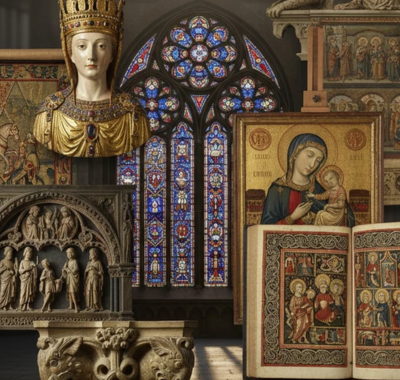
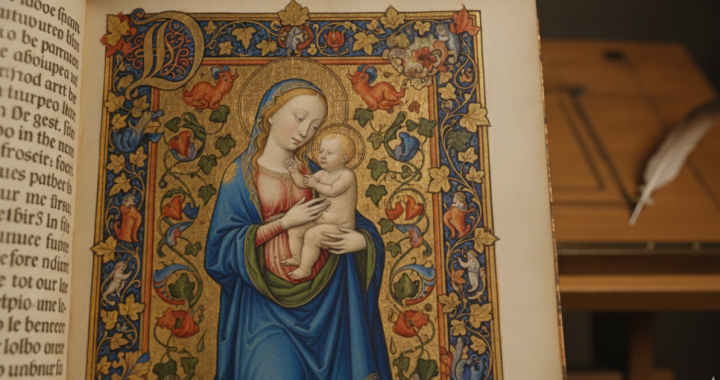
The Gothic stained glass windows interior commonly features biblical scenes, saints, prophets, angels, royal figures, and devotional symbols. Floral borders, vines, quatrefoils, medallions, and tracery patterns often organize these images. These motifs help the interior function as both a teaching tool and a sacred environment.Narrative and didactic imagery
A major purpose of the Gothic stained glass windows interior was instruction, especially for worshippers who could not read. Windows often told scriptural stories in sequence, creating a visual form of theology. In this way, the interior became a place where art and doctrine supported one another.Color schemes and emotional atmosphere
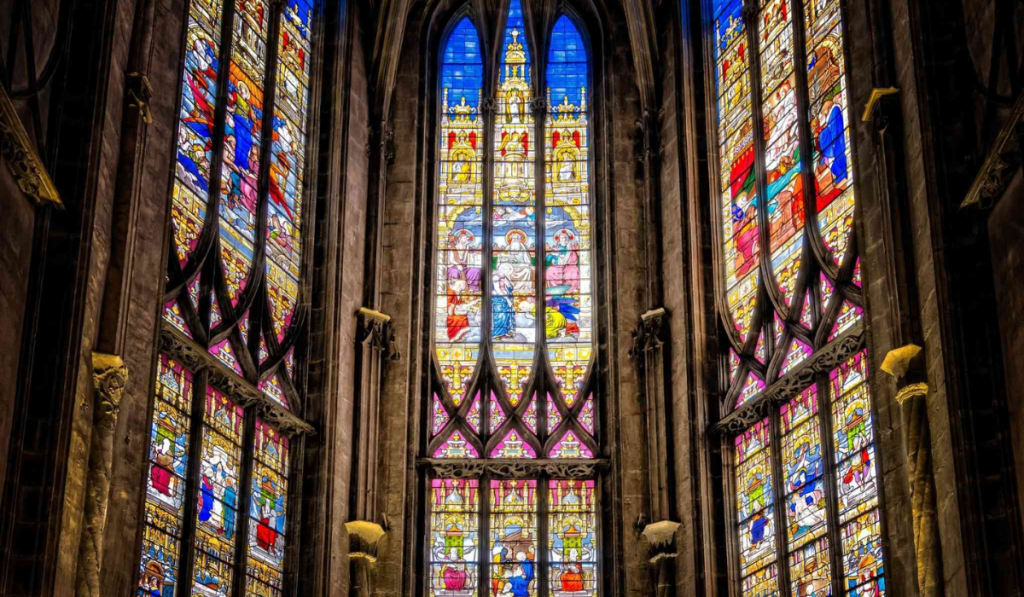
The Gothic stained glass windows interior is famous for deep blues, rich reds, greens, purples, and golden accents. These colors were not chosen randomly; they were used to shape mood, mark sacred figures, and intensify the experience of light. A Gothic interior can feel hushed in one moment and radiant in the next, simply because daylight changes across the glass.Blue and red dominance
In the Gothic stained glass windows interior, blue often conveys serenity, heaven, and contemplation, while red suggests sacrifice, intensity, and narrative emphasis. Gold and yellow tones are frequently used for halos, divine light, and ornamental highlights. Together, these colors create the jewel-like atmosphere that defines many great cathedrals.Rose windows and focal points
The Gothic stained glass windows interior often includes rose windows, which are among the most recognizable features of Gothic church design. Their circular form suggests cosmic order and unity, while their scale gives them visual authority inside the building. When placed at the west front or transept ends, rose windows often become the emotional anchor of the interior.The role of clerestory windows
The Gothic stained glass windows interior relies heavily on clerestory windows, which admit light high above the nave arcade. These upper windows help distribute light deeper into the church and reinforce the vertical rhythm of the architecture. They also create a layered sequence of illumination that changes as one moves through the building.Relationship between glass and stone
The Gothic stained glass windows interior is a dialogue between two materials: fragile-looking glass and disciplined stone. The stone frame gives order and structure, while the glass introduces color, softness, and spiritual symbolism. Together they produce one of the most balanced interior languages in architectural history.Artistic technique and craftsmanship
The Gothic stained glass windows interior was created through a highly skilled process involving cutting, painting, firing, leading, and installing the glass. Artisans had to think about color, durability, iconography, and the way sunlight would alter each panel. That combination of craft and vision is part of what makes the interior so remarkable.Regional differences in Gothic interiors
The Gothic stained glass windows interior varied by region even though the overall goal remained consistent. French Gothic churches often emphasized scale and brilliance, while English examples could be more linear and narratively segmented. These differences help explain why Gothic interiors feel related yet never identical.Interaction with liturgy and procession
The Gothic stained glass windows interior also supported the movement of worship, because light and image could mark important zones within the church. The choir, nave, transept, and chapels each benefited from different lighting conditions and decorative priorities. In this sense, the glass helped organize both devotion and movement.Why the Gothic interior still inspires design
The Gothic stained glass windows interior continues to influence restoration, conservation, and modern sacred design because it demonstrates how atmosphere can be carefully composed. Designers still study how color filters daylight, how structure supports openness, and how art can guide emotional response. Few historic interiors have matched that level of unity.Reading the interior as a whole
To understand the Gothic stained glass windows interior, it helps to see the church as one integrated visual system rather than a collection of separate parts. Structure, sculpture, painting, glass, and ritual all reinforce each other. That is why the Gothic interior remains one of the clearest examples of total artistic design in Western architecture.Culture, memory, and heritage
The Gothic stained glass windows interior preserves cultural memory as much as artistic beauty. Many windows recorded patrons, saints, local traditions, and biblical narratives that shaped medieval identity. Today, these interiors help modern audiences understand how deeply art and faith were intertwined in the Gothic world.Further reading on Gothic art
If you want to explore the broader context of the Gothic stained glass windows interior, these resources are useful: Culture mosaic, What Is Gothic Art and Architecture, Flying Buttress Definition in Art, Gothic stained glass windows history, and Medieval Gothic Masterpieces.FAQs About Gothic stained glass windows interior
1. What makes the Gothic stained glass windows interior unique?
The Gothic stained glass windows interior is unique because it transforms natural light into an active part of the architecture. The glass, stone, and vaulting work together to produce a sacred atmosphere. This gives the church an emotional and symbolic depth that is hard to replicate.2. What motifs are most common in Gothic stained glass windows interior design?
Common motifs in the Gothic stained glass windows interior include saints, biblical scenes, floral borders, tracery patterns, and symbolic medallions. These motifs help communicate theology visually. They also organize the interior into readable sections.3. Which colors are most typical in Gothic stained glass windows interior spaces?
The Gothic stained glass windows interior often uses blue, red, green, purple, and gold tones. Blue and red are especially prominent because they create strong contrast and emotional intensity. Gold accents often highlight sacred figures and divine light.4. How did Gothic builders support such large glass interiors?
Gothic builders used pointed arches, ribbed vaults, and flying buttresses to move structural pressure away from the walls. That allowed the upper walls to carry much larger windows. The Gothic stained glass windows interior is therefore both an artistic and an engineering achievement.5. Why is the Gothic stained glass windows interior still important today?
The Gothic stained glass windows interior remains important because it shows how architecture can shape human feeling, worship, and memory. It continues to influence restoration work and contemporary design thinking. It is also one of the clearest examples of medieval visual storytelling.If you want to explore the broader context of the Gothic stained glass windows interior, these resources are useful: Culture mosaic, What Is Gothic Art and Architecture, Flying Buttress Definition in Art, Gothic stained glass windows history, and Medieval Gothic Masterpieces.