Introduction: What is Gothic Art and Architecture
Have you ever looked at a towering cathedral with pointed arches and colorful stained-glass windows and wondered how such breathtaking buildings were created centuries ago? If so, you’ve already encountered Gothic art and architecture.
What is Gothic art and architecture? It is a medieval artistic and architectural style that emerged in Europe during the 12th century and continued until the 16th century. Known for its soaring structures, intricate details, and dramatic use of light, Gothic art and architecture transformed churches, castles, and public buildings into masterpieces that still amaze us today.
Think of Gothic architecture as a stone symphony. Every arch, window, and sculpture works together like instruments in an orchestra, creating a sense of harmony, wonder, and spiritual upliftment. Although the style originated hundreds of years ago, its influence remains visible in modern buildings, literature, films, and design.
1. Understanding Gothic Art and Architecture
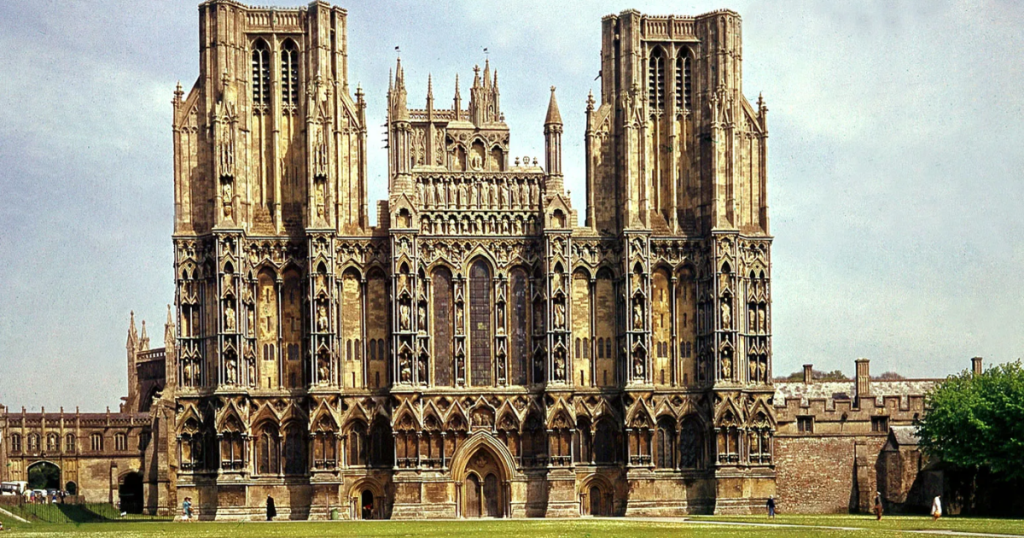
Gothic art and architecture represent one of history’s most influential artistic movements. It developed primarily in medieval Europe and focused heavily on creating structures that inspired awe and spiritual reflection.
The term “Gothic” was actually introduced later during the Renaissance. Initially, it was used critically because Renaissance scholars considered medieval art less refined than classical Roman designs. Over time, however, people began to appreciate the creativity and engineering brilliance of the Gothic period.
Today, Gothic art and architecture are admired for their elegance, technical innovation, and emotional power.
2. The Origins of the Gothic Style
The Gothic style first emerged in France during the mid-12th century. It evolved from the earlier Romanesque architectural style, which featured thick walls and rounded arches.
Medieval builders wanted to create churches that were taller, brighter, and more inspiring. Their experiments led to the development of pointed arches, ribbed ceilings, and flying buttresses.
These innovations allowed architects to construct massive buildings with large windows and greater heights than ever before. Soon, the Gothic style spread across Europe, influencing architecture in England, Germany, Italy, and Spain.
3. Major Characteristics of Gothic Architecture
Pointed Arches
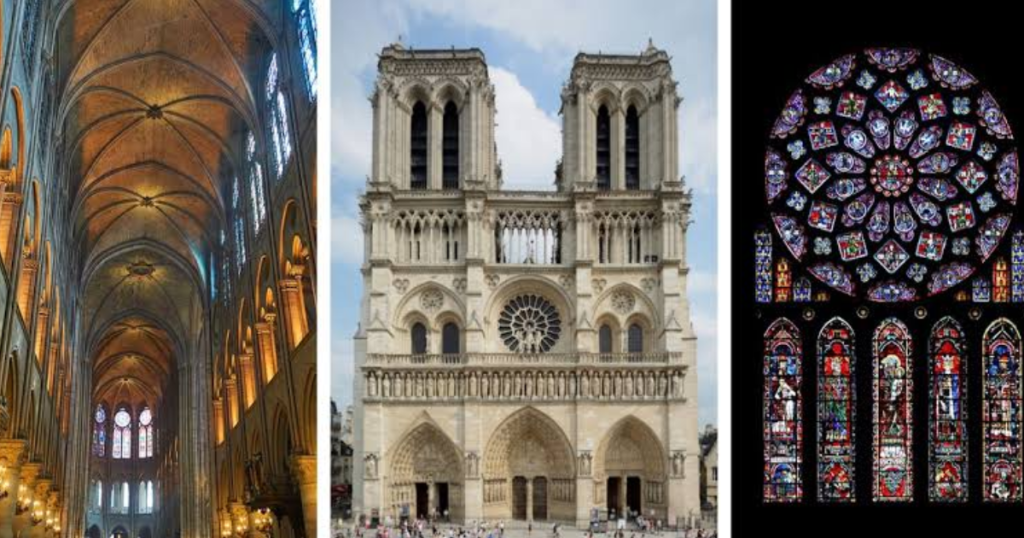
One of the most recognizable features of Gothic architecture is the pointed arch. Unlike rounded Romanesque arches, pointed arches distribute weight more effectively and permit taller structures.
Ribbed Vaults
Ribbed vaults are intersecting stone ribs that support ceilings. They make roofs lighter and stronger while adding visual complexity.
Flying Buttresses
Flying buttresses are external supports that transfer the building’s weight outward. They function almost like giant stone arms holding the structure in place.
Vertical Design
Gothic buildings emphasize height and upward movement. Their tall towers and spires draw the eye toward the sky, symbolizing a connection between humanity and heaven.
4. Key Features of Gothic Art
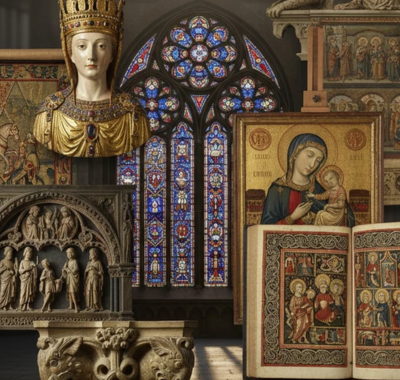
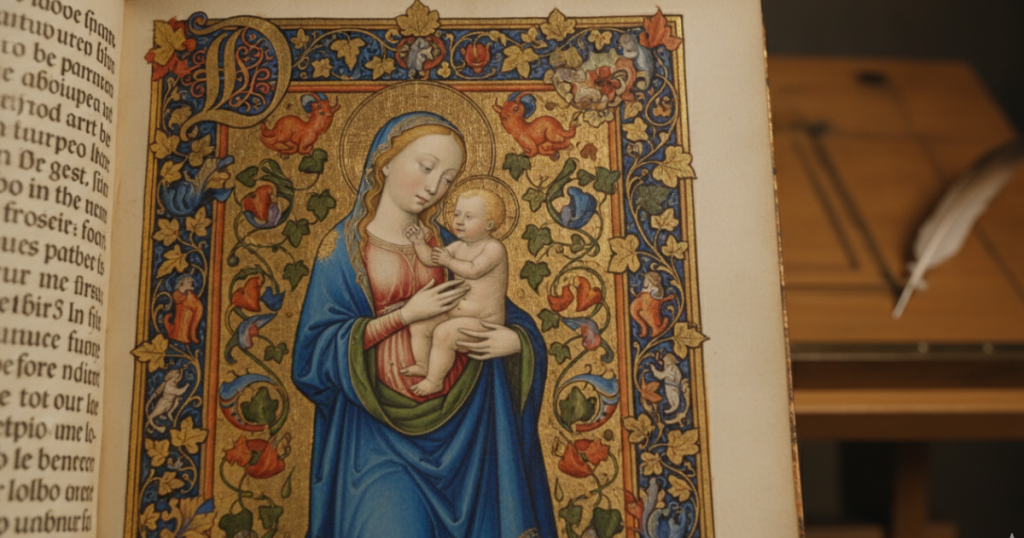
Gothic art extends beyond architecture. It includes painting, sculpture, manuscripts, and decorative crafts.
Realistic Figures
Artists began creating more natural and expressive human figures. Faces displayed emotions, and body proportions became increasingly realistic.
Religious Themes
Most Gothic artworks depicted biblical stories, saints, and spiritual subjects because religion played a central role in medieval life.
Detailed Ornamentation
Gothic artists loved detail. They decorated manuscripts, sculptures, and church interiors with intricate patterns and symbolic imagery.
Use of Color
Bright colors became important in Gothic paintings and stained-glass windows, creating emotional and spiritual experiences.
5. Why Gothic Cathedrals Were Built So Tall
Why did medieval builders strive for extraordinary height?
For people of the Middle Ages, churches were more than buildings. They were sacred spaces representing divine presence. Taller structures symbolized humanity’s desire to reach toward heaven.
The immense height also inspired awe among visitors. Entering a Gothic cathedral often felt like stepping into another world. The towering columns and vaulted ceilings encouraged contemplation and spiritual reflection.
These magnificent structures also showcased the wealth, devotion, and technological capabilities of medieval communities.
6. The Importance of Stained Glass Windows
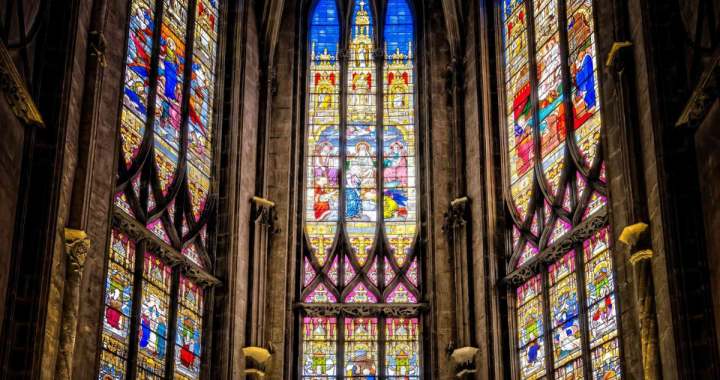
One of the most beautiful aspects of Gothic architecture is its use of stained glass.
Teaching Through Images
Many medieval people could not read. Stained-glass windows acted like visual storybooks, illustrating biblical narratives and religious lessons.
Creating Sacred Light
Sunlight passing through colored glass filled cathedrals with glowing blues, reds, and golds. Medieval believers considered this light a representation of divine presence.
Enhancing Beauty
The intricate designs and vivid colors transformed ordinary sunlight into a breathtaking artistic experience.
Even today, stained-glass windows remain among the most admired achievements of Gothic craftsmanship.
7. Sculptures and Decorative Elements
Gothic architecture is famous for its decorative richness.
Statues of Saints
Church entrances often featured sculptures of saints, prophets, and biblical figures. These statues educated visitors and reinforced religious beliefs.
Gargoyles
Gargoyles served practical and decorative purposes. They directed rainwater away from buildings while also acting as imaginative artistic creations.
Carved Details
Stone carvings covered columns, doors, and facades. Leaves, flowers, animals, and symbolic figures added visual interest and spiritual meaning.
These decorative elements transformed Gothic buildings into massive works of art.
8. Famous Examples of Gothic Architecture
Several Gothic structures have become global icons.
Notre-Dame Cathedral
Located in Paris, Notre-Dame is renowned for its towers, stained-glass windows, and remarkable sculptures.
Chartres Cathedral
This French cathedral is celebrated for its exceptional stained glass and harmonious design.
Canterbury Cathedral
One of England’s most important religious buildings, Canterbury Cathedral demonstrates the grandeur and elegance of English Gothic architecture.
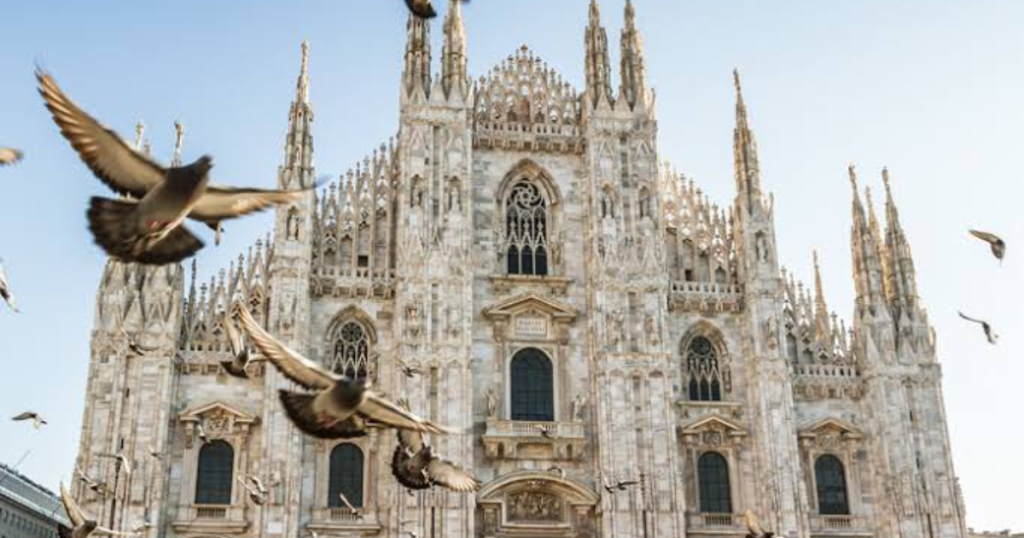
Milan Cathedral
This masterpiece in Italy features countless statues and dramatic spires that create a breathtaking skyline.
Each of these structures represents centuries of artistic vision and engineering skill.
9. Different Phases of Gothic Architecture
Gothic architecture evolved over several centuries.
Early Gothic
This period introduced pointed arches and ribbed vaults.
High Gothic
Architects refined structural techniques and built even taller cathedrals with larger windows.
Late Gothic
Decorative elements became increasingly elaborate. Intricate tracery and ornate designs reached new levels of complexity.
Each phase contributed unique innovations to the Gothic tradition.
10. The Influence of Religion on Gothic Art
Religion was the driving force behind most Gothic artistic achievements.
Churches commissioned paintings, sculptures, and architectural projects to educate worshippers and inspire devotion. Every element carried symbolic meaning.
Tall spires represented spiritual aspiration. Light symbolized divine wisdom. Sculptures depicted moral lessons and sacred stories.
Without the powerful influence of religion, Gothic art and architecture would likely have developed very differently.
11. The Spread of Gothic Style Across Europe
The Gothic movement quickly expanded beyond France.
England
English Gothic architecture emphasized long naves and impressive towers.
Germany
German cathedrals became known for dramatic heights and richly decorated facades.
Spain
Spanish Gothic architecture blended Gothic principles with local artistic traditions.
Italy
Italian Gothic buildings often featured colorful marble and a greater emphasis on classical balance.
Although regional differences existed, all these variations shared the essential characteristics of the Gothic style.
12. Gothic Revival and Modern Influence
Interest in Gothic design returned during the 18th and 19th centuries in a movement known as the Gothic Revival.
Architects once again embraced pointed arches, decorative stonework, and dramatic vertical lines. Universities, churches, and public buildings adopted Gothic-inspired designs.
Today, Gothic influences appear in:
- University campuses
- Government buildings
- Literature and films
- Fashion and interior design
- Modern churches and monuments
The enduring appeal of Gothic aesthetics demonstrates the timeless power of this artistic tradition.
13. Why Gothic Art and Architecture Still Fascinate Us
Why are people still captivated by Gothic art and architecture after so many centuries?
Part of the answer lies in their emotional impact. Gothic structures inspire wonder. Their height, light, and intricate details create experiences that feel almost magical.
Another reason is their remarkable combination of art and engineering. Medieval builders achieved extraordinary feats without modern technology. Their creations continue to amaze architects, historians, and travelers.
Finally, Gothic art reminds us of humanity’s enduring desire to create beauty and meaning. These cathedrals and artworks are not merely historical artifacts—they are powerful expressions of imagination, faith, and ambition.
Conclusion: What is Gothic Art and Architecture
So, what is Gothic art and architecture? It is a medieval artistic movement characterized by pointed arches, ribbed vaults, flying buttresses, towering structures, and richly detailed artwork. Emerging in 12th-century France, the Gothic style revolutionized architecture and visual art across Europe.
Its magnificent cathedrals, colorful stained-glass windows, expressive sculptures, and innovative engineering continue to inspire millions of people around the world. Like a bridge connecting the earthly and the divine, Gothic art and architecture demonstrate humanity’s incredible ability to transform stone, glass, and creativity into timeless masterpieces.
Frequently Asked Questions About What is Gothic Art and Architecture
1. What is Gothic art and architecture in simple terms?
Gothic art and architecture are medieval European styles known for tall buildings, pointed arches, stained-glass windows, and detailed decorations.
2. When did Gothic art and architecture begin?
The Gothic style began in France during the mid-12th century and remained influential until the 16th century.
3. What are the main features of Gothic architecture?
Its main features include pointed arches, ribbed vaults, flying buttresses, large stained-glass windows, and strong vertical emphasis.
4. Why are Gothic cathedrals so important?
They represent remarkable achievements in engineering, religious expression, and artistic creativity and remain some of the world’s greatest architectural treasures.
5. How does Gothic art influence modern culture?
Gothic influences can be seen in architecture, literature, films, fashion, interior design, and many modern public buildings around the world.